Understanding the significance of proactive vehicle maintenance can save drivers time, money, and stress. Waiting until a warning light appears or a vehicle stops working can turn a relatively simple service into a much more expensive repair. By paying attention to routine maintenance and addressing developing problems early, drivers can help keep their vehicles dependable and safe.
Proactive auto repairs are not necessarily about fixing something that has already failed. They can also involve identifying worn components, following the manufacturer's maintenance schedule, and correcting small problems before they develop into larger ones. A consistent approach to vehicle care can make ownership more predictable while helping drivers get more useful miles from their vehicles.
What Are the Benefits of Routine Auto Repairs?
Routine maintenance gives drivers an opportunity to identify problems before they become serious. Oil changes, brake inspections, tire services, fluid checks, battery testing, and other scheduled services can reveal signs of wear that may otherwise go unnoticed.
For example, a technician may discover that brake pads are approaching the end of their service life during a routine inspection. Replacing the pads at that point is generally more manageable than continuing to drive until the friction material is completely worn away and additional components become damaged. Similarly, identifying a small fluid leak early can prevent low fluid levels from contributing to more extensive mechanical problems.
Regular auto repairs and maintenance can also contribute to vehicle longevity. Components naturally wear over time, but replacing or servicing them according to appropriate intervals can reduce unnecessary strain on other systems. Drivers who keep up with maintenance are also more likely to notice changes in vehicle behavior, such as unusual noises, vibrations, handling changes, or warning lights.
That awareness can be particularly valuable because drivers often spend more time with their vehicles than anyone else does. Recognizing a change early and mentioning it during a service appointment can help a technician diagnose an issue before it becomes a breakdown.
How Can Ignoring Auto Repairs Affect Vehicle Safety?
Vehicle maintenance is closely connected to safety. Brakes, tires, steering components, suspension parts, lights, and other systems all contribute to a driver's ability to control a vehicle and respond to changing road conditions.
Ignoring a developing mechanical problem can allow a relatively minor defect to become a safety concern. Worn tires, for instance, can reduce traction, particularly on wet or snowy roads. Brake problems can affect stopping performance, while worn suspension or steering components can influence handling and stability.
The consequences of neglected auto repairs can extend beyond inconvenience. A vehicle that breaks down in traffic, on a busy highway, or in severe weather can place occupants in a potentially dangerous situation. Even when a mechanical problem does not immediately create a safety hazard, a roadside breakdown can leave drivers exposed to passing traffic or harsh environmental conditions.
According to AAA, more than 27 million emergency roadside service calls were made in the United States in 2024. That figure illustrates how frequently American drivers encounter situations requiring roadside assistance. While not every call results from neglected maintenance, keeping a vehicle properly serviced can reduce the likelihood of preventable mechanical failures.
Drivers should also take warning signs seriously. Dashboard warning lights, squealing brakes, unusual exhaust, steering changes, overheating, fluid leaks, and persistent vibrations are all reasons to have a vehicle inspected. Prompt attention to these symptoms can help prevent a manageable issue from becoming a larger problem.
What Economic Impacts Come With Delaying Auto Repairs?
One of the most common reasons drivers postpone maintenance is the desire to save money. However, delaying necessary auto repairs can sometimes have the opposite effect. Small problems can place additional stress on related components, increasing the eventual cost of correcting the original issue.
Consider a vehicle with a minor coolant leak. If the leak is addressed early, the repair may involve replacing a hose, clamp, or other relatively inexpensive component. If the problem is ignored until the vehicle loses enough coolant to overheat, the resulting damage could involve much more extensive repairs.
The same principle can apply to tires, brakes, suspension components, and engine-related problems. A worn component does not always cause immediate catastrophic damage, but continuing to operate the vehicle can allow wear to spread to other parts.
Proactive auto repairs can also make vehicle expenses easier to budget. Scheduled maintenance is generally more predictable than an unexpected breakdown. Instead of facing a major repair at an inconvenient time, drivers can address maintenance needs as part of their normal household or vehicle budget.
There is also the indirect cost of downtime. A vehicle that requires an unexpected repair can interfere with work, school, appointments, travel, and other responsibilities. Preventative maintenance cannot eliminate every possible breakdown, but it can reduce some avoidable disruptions.
Why Does Regular Maintenance Improve Fuel Efficiency?
A vehicle's fuel economy depends on numerous factors, including driving habits, weather, vehicle design, tire condition, and mechanical condition. Maintenance can influence several of those factors.
Properly inflated tires are one straightforward example. Underinflated tires increase rolling resistance, requiring the engine to work harder to move the vehicle. Maintaining the recommended tire pressure can therefore support efficient operation while also promoting proper tire wear.
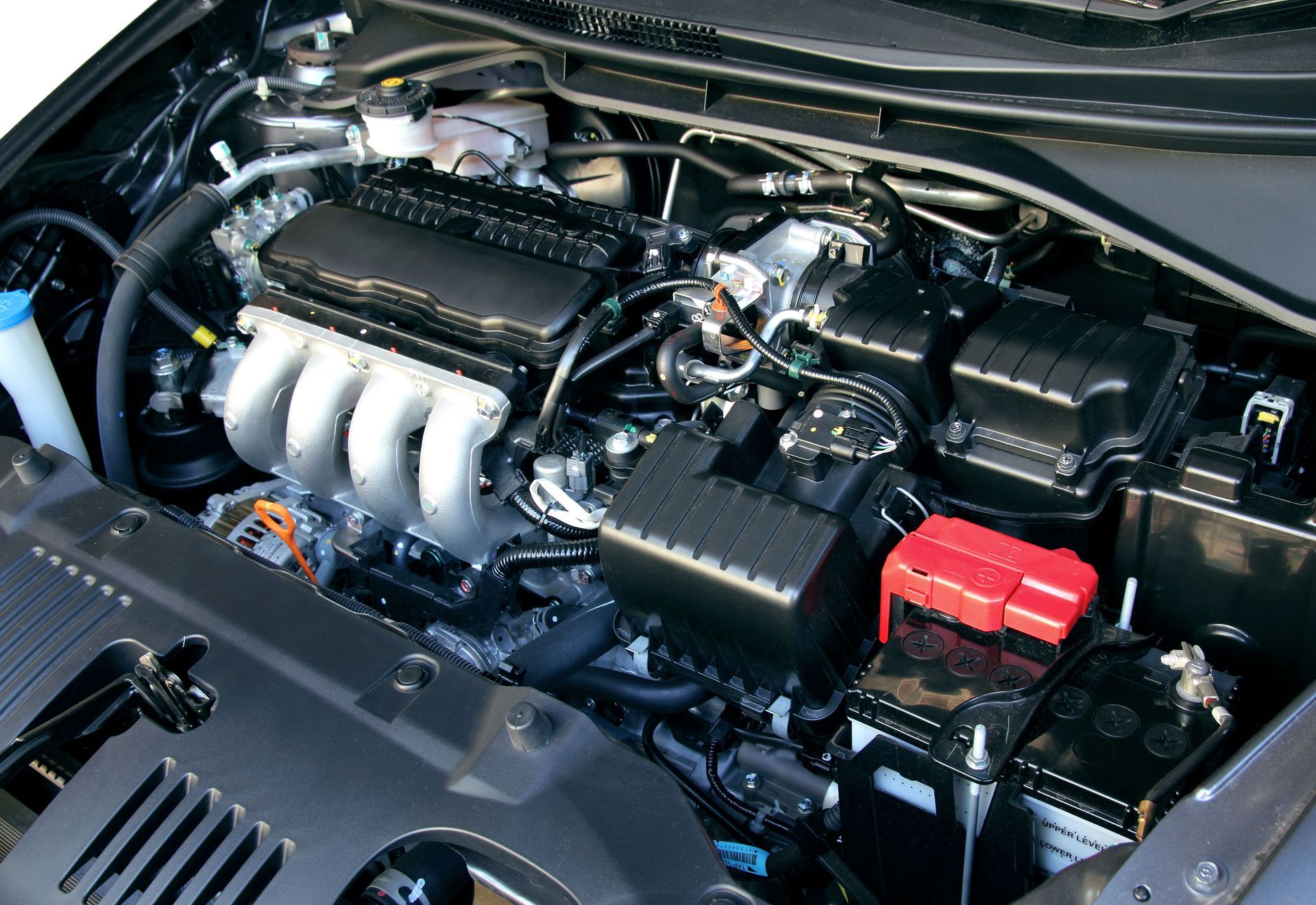
Engine maintenance can matter as well. A vehicle with worn spark plugs, restricted filters, malfunctioning sensors, or other mechanical problems may not operate as efficiently as intended. Addressing these issues through appropriate maintenance and auto repairs can help the engine maintain proper combustion and operation.
Regular oil changes are another important part of maintaining an engine. The appropriate oil and service interval help ensure that internal components receive adequate lubrication. Following the manufacturer's recommendations can help maintain engine performance and reduce unnecessary wear.
How Can Proactive Repairs Extend the Lifespan of a Vehicle?
Keeping a vehicle for many years requires more than simply fixing it whenever something breaks. Long-term ownership benefits from a combination of scheduled maintenance, inspections, timely repairs, and attention to changing vehicle behavior.
Following the manufacturer's maintenance schedule provides a useful foundation. Depending on the vehicle, this may include oil and filter changes, transmission service, coolant replacement, brake inspections, tire rotations, belt inspections, and other procedures at specified intervals.
Drivers should also keep records of completed maintenance and repairs. A service history makes it easier to determine when particular components were replaced and can help identify recurring issues. It can also be valuable when selling or trading a vehicle because documented maintenance demonstrates that the vehicle has received consistent care.
Proactive auto repairs are especially important for older vehicles. As mileage increases, components naturally reach the end of their service lives. Replacing worn parts before they fail completely can help keep an older vehicle dependable without requiring owners to replace the vehicle prematurely.
How Can Drivers Build Better Maintenance Habits?
Being proactive does not require constantly worrying about the vehicle. Instead, drivers can establish a simple routine that makes maintenance easier to manage.
Start by following the recommended service schedule and checking basic items such as tire pressure, fluid levels, lights, and windshield washer fluid. Pay attention to changes in braking, steering, acceleration, shifting, and engine behavior. Keep track of service appointments and address warning lights promptly.
When auto repairs are recommended, ask what the problem is, what could happen if it is postponed, and whether the repair is safety-critical or maintenance-related. Understanding the reason behind a recommendation can help drivers make informed decisions about timing and priorities.
Proactive vehicle care can provide benefits well beyond preventing an inconvenient breakdown. Routine maintenance can help identify developing problems, support vehicle safety, improve operating efficiency, and extend the useful life of a vehicle. Addressing
auto repairs before problems become emergencies can also make vehicle ownership more predictable financially.
No maintenance strategy can prevent every mechanical failure, but consistent attention can reduce the risk of avoidable problems. By following manufacturer recommendations, responding to warning signs, and maintaining a relationship with a trusted automotive professional, drivers can take a practical approach to keeping their vehicles on the road. If you need auto repairs, reach out to Pro Tire And Automotive Services Inc today!